
Protein powder is one of the most common supplements on the shelf, and one of the most scrutinized. In October 2025, Consumer Reports published lab tests of 23 protein powders and ready-to-drink shakes. More than two-thirds contained more lead in a single serving than the daily level Consumer Reports considers a concern.
That result made headlines. Here is what it actually means, for people who drink protein shakes and for brands that sell them.
Why lead shows up in protein powder
Lead is in soil. Plants take up small amounts as they grow, and when a plant protein such as pea, rice or soy is concentrated into a powder, those traces get concentrated too. In the Consumer Reports testing, plant-based products averaged about nine times more lead than dairy-based ones such as whey.
That doesn’t make plant protein a bad product. It means plant-based powders depend much more on where the raw material comes from and how carefully each lot is tested.
The level Consumer Reports used is strict
Consumer Reports measured against a daily limit of 0.5 micrograms of lead, the same figure California uses under Proposition 65. It is deliberately conservative. Going over it in one scoop is not an emergency.
The real concern is repetition. Protein powder isn’t something people take once. Many take it every day for months or years, and lead builds up in the body over time. A small amount in each serving adds up when the serving is daily.
What consumers can do
- Choose products that are third-party tested, and look for results you can actually read.
- Ask the brand for a certificate of analysis that includes heavy metals.
- Mix up protein sources instead of relying on one powder every day.
What this means for supplement brands
If you sell protein powder, especially plant-based, heavy metals are now part of how customers judge you. A few practical points we discuss with brands:
- Raw material comes first. Ask for a heavy metal result on every lot of protein, not just a one-time spec sheet. Lead, cadmium, arsenic and mercury should all be on it.
- Test the finished product too. Raw material numbers don’t always predict the finished serving, especially once flavors, cocoa or greens are added. Cocoa and some botanicals carry their own heavy metal load.
- Know your serving size. Whether a product passes a per-day limit depends on the serving. A bigger scoop means a higher number on the same powder.
- Plan for Prop 65. If you sell into California, the 0.5 µg/day figure matters for whether a warning label is needed.
- Be ready to share results. More shoppers and retailers now ask for test reports. Having them on file makes those conversations easy.
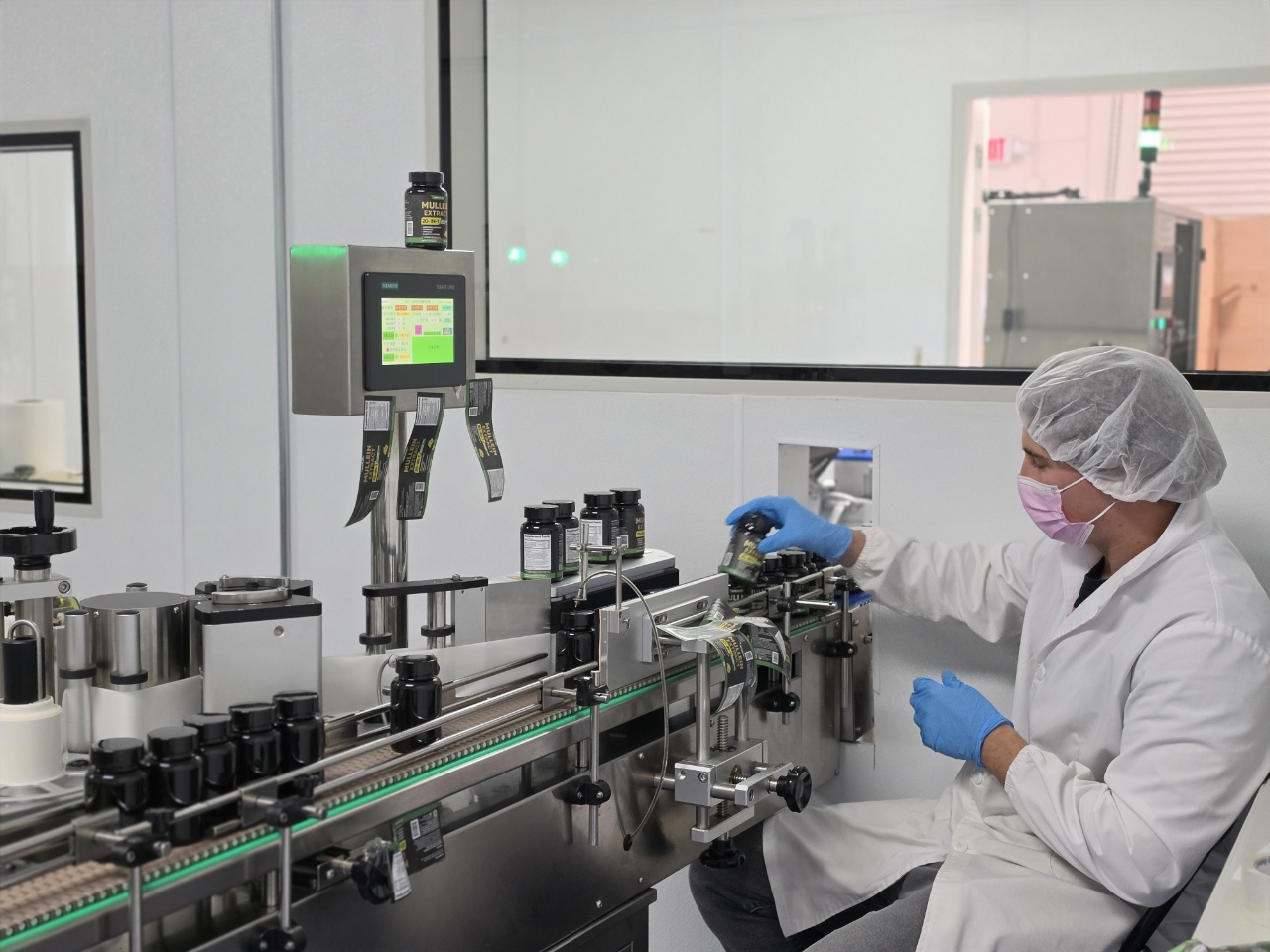
US rules already expect this kind of control. Under the dietary supplement cGMP regulation (21 CFR Part 111), manufacturers must set specifications for contaminants and verify that ingredients and finished products meet them.
The takeaway
Protein powder isn’t automatically clean, and it isn’t automatically dangerous. The difference is in sourcing and testing. For consumers, that means choosing tested products and varying sources. For brands, it means building heavy metal checks into every lot, from raw protein to finished tub.
Sources
- Consumer Reports, lead testing of protein powders and shakes, October 2025 (23 products tested).
- California OEHHA, Proposition 65 Maximum Allowable Dose Level for lead (reproductive toxicity): 0.5 µg/day.
- 21 CFR Part 111, Current Good Manufacturing Practice for dietary supplements (specifications, §111.70; component testing, §111.75).