Product Format • Powders
Build the Powder Around Its Serving and Packaging Plan
A powder project connects formula, serving size, flavor, sweetener, color, flow, mixability expectations, filling method, container, scoop or unit-dose direction, quantity, and target market.
NexNutraLab helps buyers organize those inputs before a powder concept moves into formulation, sampling, quotation, or manufacturing review.
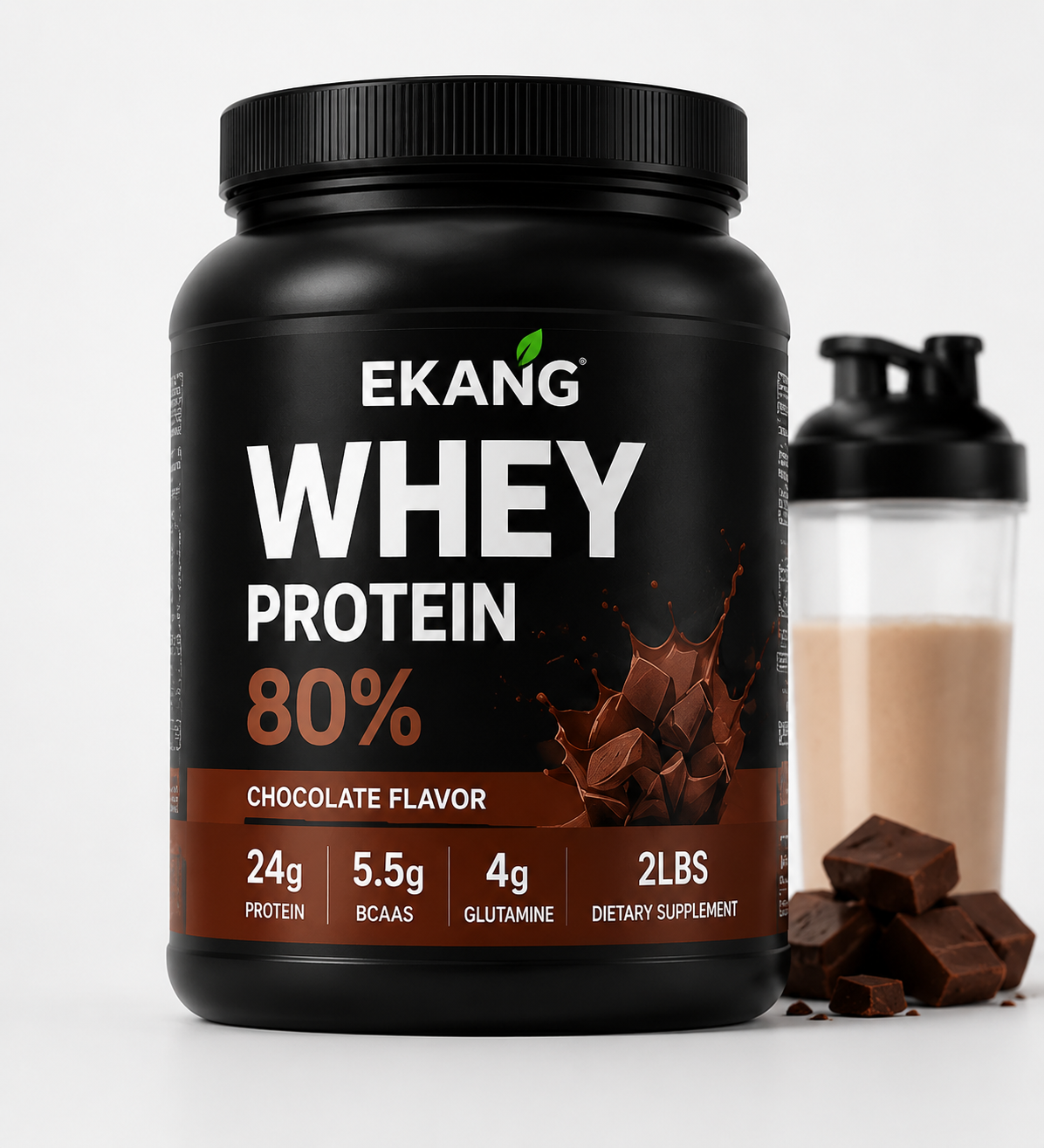
Key Powder Decisions
Formula and serving size
Share the proposed ingredients, amount per serving, servings per container, and any flexibility. A large serving format and a small unit-dose format create different formulation, flavor, packaging, and handling questions.
Flavor and sensory direction
If flavor is required, describe the intended profile, sweetness direction, use occasion, mixing liquid, and acceptable alternatives. Flavor work must be evaluated with the actual formula rather than selected in isolation.
Flow, blending, and filling
Material characteristics can affect blending, flow, dust, fill consistency, serving tools, packaging equipment, and other process questions. These points require project review and should not be inferred from a product name.
Mixability and use experience
State how the customer is expected to prepare and use the product. Water volume, temperature, mixing method, serving frequency, and sensory expectations may influence the development brief.
Packaging direction
Jar, pouch, sachet, stick-pack, scoop, and other options should be treated as requirements to confirm—not as automatically available services. Net quantity, serving count, label area, barrier needs, closure, shipment conditions, and unit economics must be reviewed together.
Protein Base Options
Protein powder projects can be built on the following bases:
- Whey protein isolate — typically around 90% protein, with lower lactose and fat than concentrate;
- Whey protein concentrate — typically around 70–80% protein;
- Whey protein hydrolysate — a pre-hydrolyzed whey option;
- Plant-based options: hemp protein, pea protein, and rice protein.
Flavor and color can be customized with natural or artificial options, or left out on request. Base availability, sourcing, and documents are confirmed for each project.
A Practical Powder Project Path
- Define the customer, market, use occasion, and serving concept.
- Submit the formula or ingredient direction.
- Review serving size, flavor, sweetener, color, and sensory requirements.
- Identify blending, flow, filling, mixability, and stability questions.
- Confirm packaging, quantity, artwork, documents, and timeline.
- Move into the appropriate development, sampling, quotation, or manufacturing stage.
What to Prepare
- formula or ingredient direction;
- target amount per serving;
- servings per container;
- mixing and use instructions under consideration;
- flavor, sweetener, and color direction;
- packaging preference and acceptable alternatives;
- scoop or unit-dose requirements;
- estimated quantity;
- target market and channel;
- artwork status, documents, and timing.
Frequently Asked Questions
Can any capsule or tablet formula become a powder?
Not automatically. Serving size, taste, texture, dispersibility, ingredient behavior, packaging, customer use, and other technical factors may change the formula and development path.
Can you create a custom flavor?
Flavor development can be discussed after the formula, serving, customer, market, sweetness direction, and acceptable options are clear. Scope, rounds, cost, materials, and timing must be confirmed.
Which powder packaging is available?
Share the preferred jar, pouch, sachet, stick-pack, or other direction. Current filling and packaging capability, material options, minimums, barrier needs, artwork, cost, and timing require confirmation.
How should mixability expectations be handled?
Define the intended mixing conditions and acceptance criteria so the relevant technical questions can be reviewed for the actual formula. General page copy cannot establish the result for every product or use condition.
Bring the Serving Experience Into the First Brief
Share the formula, serving size, flavor direction, use conditions, packaging, quantity, market, and unresolved development questions.