
Finding a supplement manufacturer is rarely the hard part. Private label has a low barrier to entry, and most brands can find a factory willing to quote within days. The harder questions come next: is this partner actually qualified, and will the product stand out once it’s made?
Part one: check that the factory is qualified
Many factories describe themselves the same way. A few checks separate real capability from a good website.
- FDA facility registration. Facilities that make supplements for the US must register with FDA as food facilities. Registration is a requirement, not an endorsement. FDA itself says registration doesn’t mean approval or certification.
- cGMP compliance. Dietary supplement manufacturers must follow 21 CFR Part 111. Ask how they meet it: written procedures, batch records, specifications for every ingredient and finished product, and how they test against them.
- Third-party audits. GMP registration or audits from independent organizations, such as NSF’s GMP program, are stronger evidence than a self-description. General quality certifications like ISO 9001 show a working quality system, but they aren’t specific to supplement GMP.
- Inspection history. Ask about recent FDA inspections and how any findings were closed.
- Testing. Ask what is tested on incoming ingredients and finished products, which labs do it, and whether you’ll receive a certificate of analysis for every batch.
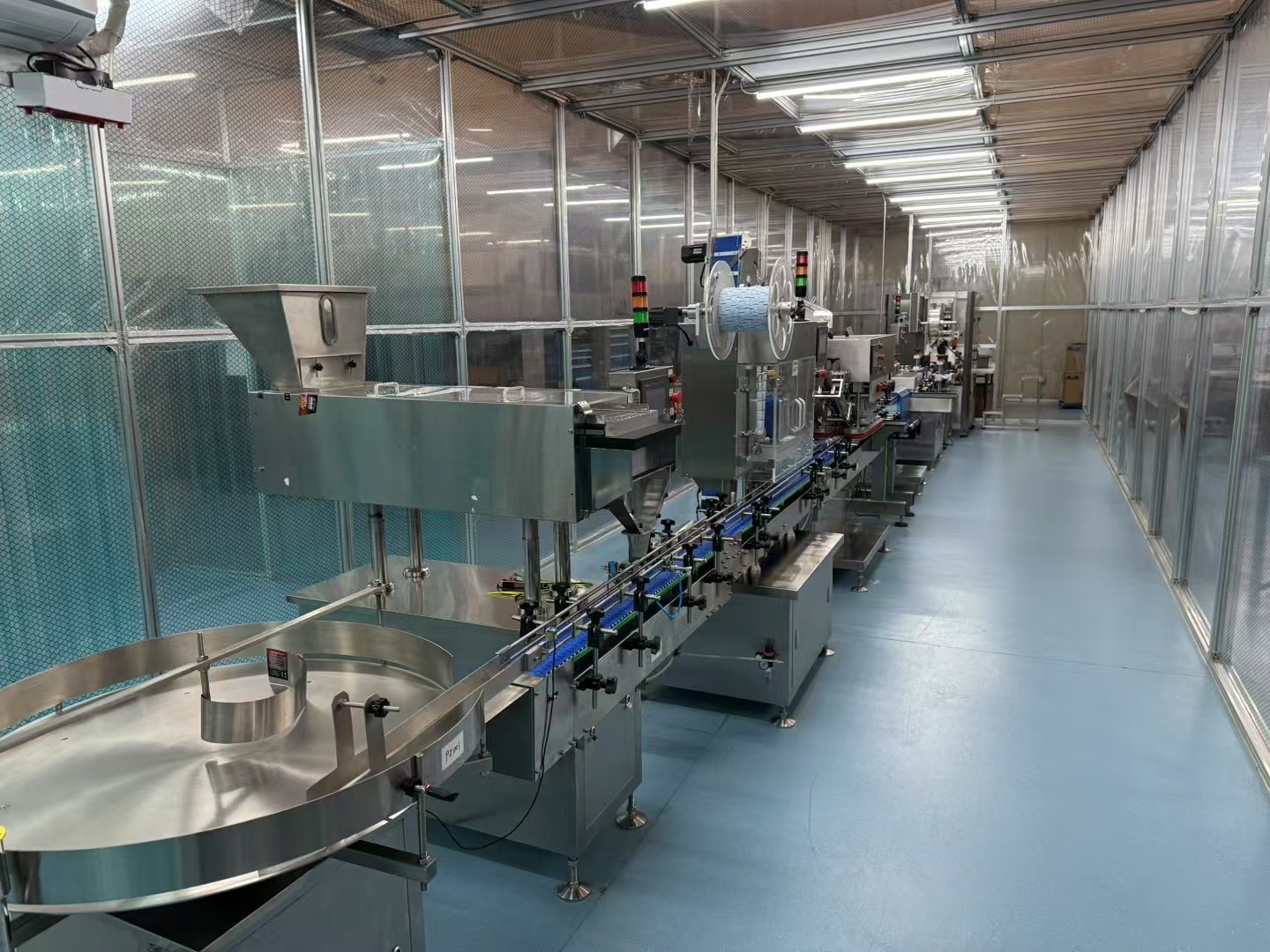
- Fit for your format. Make sure they actually run your dosage form in-house, rather than passing it on to another facility.
Part two: make the product worth choosing
Once you have a qualified partner, manufacturing becomes the starting point, not the differentiator. Most categories already have plenty of products made in good facilities. What sets a private label product apart is usually decided before production:
- Formula direction. Real doses of the ingredients that matter, clearly labeled, beat long ingredient lists at trace levels.
- Format fit. A format that matches how your customers actually like to take supplements.
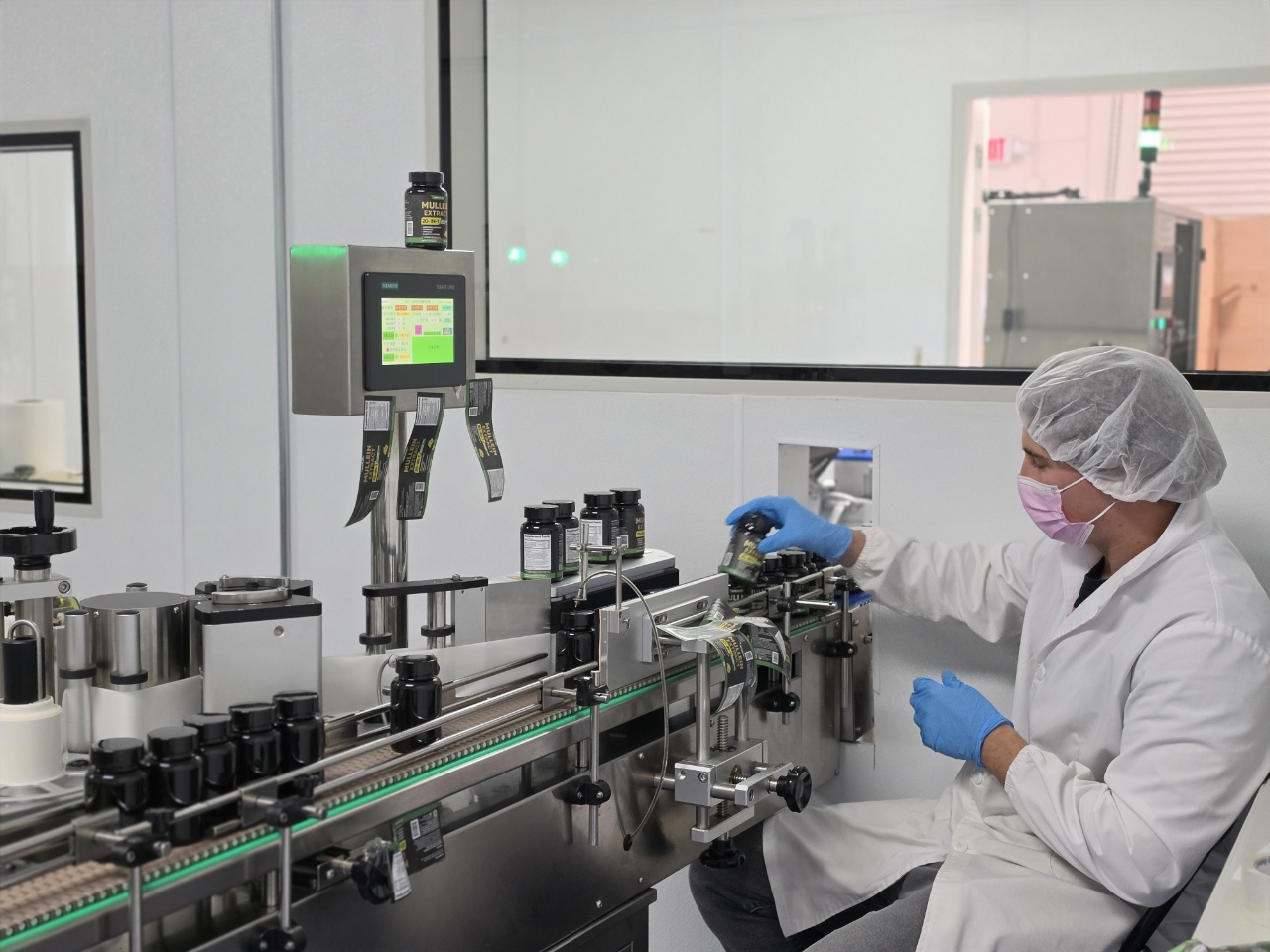
- Packaging and label. Packaging that fits your channel and a label that explains the product honestly.
- Proof. Test results and certifications that you’re willing to share.
These decisions are worth making before you request quotes, so the quotes compare like with like.
The takeaway
Almost anyone can find a factory. The work is in checking that it is truly qualified, and in making formula, format and packaging decisions that give the product a reason to exist. Do both, and the manufacturer becomes a partner instead of just a supplier.
Sources
- US FDA, Registration of Food Facilities (registration does not denote FDA approval or certification).
- 21 CFR Part 111, Current Good Manufacturing Practice for dietary supplements.
- NSF, GMP Registration Program for dietary supplements (NSF/ANSI 455-2).