
Fish oil is one of the best-selling supplements in the world, and most shoppers treat it as a simple product: a softgel is a softgel. But omega-3 oils have a weakness that most supplements don’t. They oxidize. An oil that has gone stale can still sit on the shelf looking exactly like a fresh one.
How common is it? The honest answer is that the studies disagree, and that disagreement is useful for anyone who makes or sells fish oil.
Why omega-3 oils go rancid
EPA and DHA are long-chain polyunsaturated fats. Their many double bonds are what make them valuable, and also what make them fragile. Oxygen, heat and light all start a chain reaction that breaks the oil down. First come peroxides, the primary oxidation products. Those then break down into aldehydes and other secondary compounds, which carry the sharp, stale smell people describe as rancid.
That smell is different from a normal mild fishiness. A fresh oil can smell faintly of the sea. An oxidized oil smells sharp, paint-like or stale.
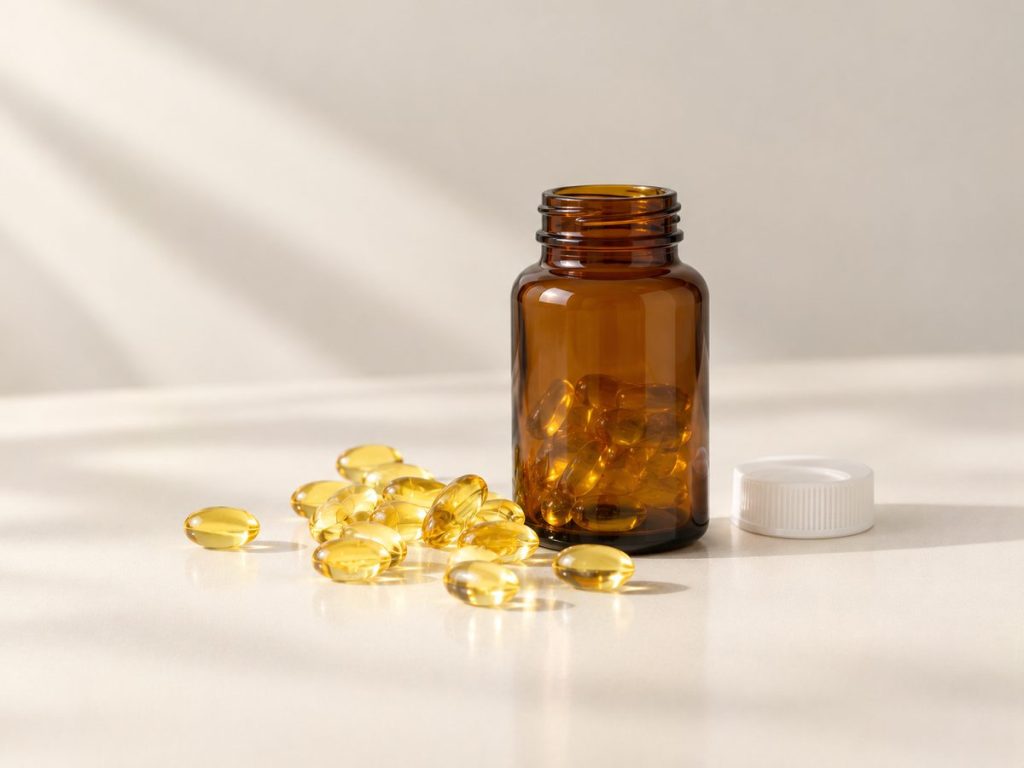
How freshness is measured
The industry uses three numbers, set out in the GOED Voluntary Monograph, the main quality standard for EPA and DHA oils:
- Peroxide value (PV) measures primary oxidation. GOED limit: 5 meq/kg or less.
- p-Anisidine value (p-AV) measures secondary oxidation. GOED limit: 20 or less.
- TOTOX combines the two (2 × PV + p-AV). GOED limit: 26 or less.
One catch: GOED notes that the p-anisidine method isn’t reliable for flavored oils, because flavor compounds interfere with the test.
What the tests found, and why they disagree
In 2015, researchers in New Zealand tested 32 fish oil supplements and reported that 83% exceeded the recommended peroxide value, 50% exceeded the TOTOX limit, and only 8% met all of the recommended limits.
Two years later, a GOED-led team retested 47 products on the same market. Against GOED’s strict limits, 72% passed on PV, 86% on p-AV and 77% on TOTOX. Against looser pharmacopeia-style limits, 96 to 100% passed. The second study was funded by the industry group, and the two teams disagreed on methods, so neither result settles the question alone.
A 2023 study of 72 omega-3 products added another detail: 68% of the flavored products exceeded the TOTOX limit, compared with 13% of unflavored ones. Given GOED’s caution about testing flavored oils, that gap needs careful reading, but it points to a practical issue. Flavor can mask the smell of an oil that has already oxidized.
Taken together, the fair summary is that freshness varies widely by brand and by batch. It is not something shoppers can assume, and not something brands can leave to chance.
What consumers can check
- Choose brands that share third-party oxidation results (PV, p-AV, TOTOX), not just EPA and DHA content.
- Check the date and buy a size you’ll finish well before it.
- Keep the bottle closed, cool and out of the sun. Some people keep fish oil in the fridge.
- Bite or smell a capsule now and then. If it smells sharp or rancid, not just mildly fishy, don’t use it.
What this means for brands making fish oil
Most oxidation is decided long before a customer opens the bottle. The points we discuss with brands:
- Specify the oil, not just the omega-3 content. Ask for PV, p-AV and TOTOX on every lot of incoming oil, and set your own acceptance limits.
- Protect the oil in production. Nitrogen blanketing, minimal air exposure and temperature control during batching and encapsulation all slow oxidation.
- Use antioxidants where they fit. Mixed tocopherols or rosemary extract are common choices, declared on the label.
- Choose packaging that blocks light and air. Amber or opaque bottles, induction seals and desiccant or oxygen absorbers where appropriate.
- Be careful with flavoring. A lemon note can improve the experience, but it shouldn’t hide an oil that wouldn’t pass unflavored.
- Run stability testing. Test oxidation values across the shelf life, so the date on the bottle is backed by data.
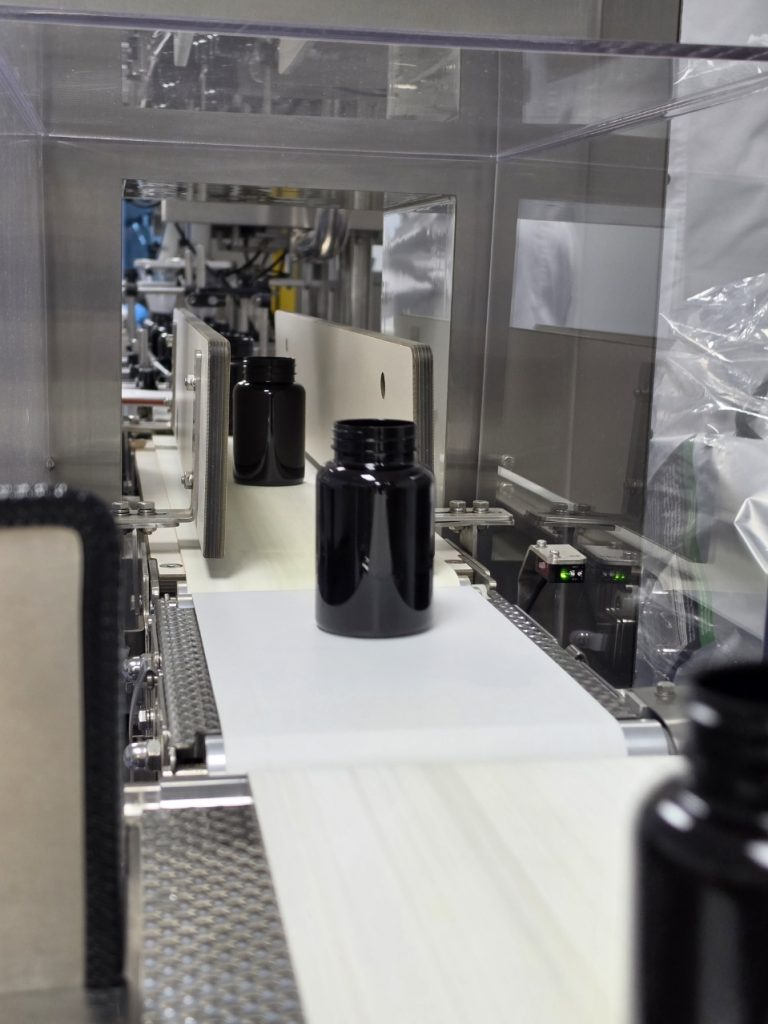
None of this is exotic. It is the difference between a fish oil that tests well on the day it is made and one that still tests well on the day it is used.
The takeaway
Fish oil isn’t automatically fresh, and it isn’t automatically rancid. The difference comes from raw oil quality, how it is handled in production and how it is packed and stored. Brands that test for oxidation, and are willing to share the results, give customers a reason to trust the bottle.
Sources
- Albert BB et al. Fish oil supplements in New Zealand are highly oxidised and do not meet label content of n-3 PUFA. Scientific Reports 2015;5:7928 (corrigendum 2016).
- Bannenberg G et al. Omega-3 long-chain polyunsaturated fatty acid content and oxidation state of fish oil supplements in New Zealand. Scientific Reports 2017;7:1488.
- Hands JM et al. A Multi-Year Rancidity Analysis of 72 Marine and Microalgal Oil Omega-3 Supplements. Journal of Dietary Supplements 2023.
- GOED Voluntary Monograph (PV ≤ 5 meq/kg, p-AV ≤ 20, TOTOX ≤ 26; p-AV not applicable to flavored oils).