
Some supplement labels list ten, fifteen, even twenty ingredients. It looks generous. Then you notice they all sit inside one line: a “proprietary blend”, with a single weight next to it. What does that tell you, and what doesn’t it?
What US rules require for a blend
Under FDA labeling rules (21 CFR 101.36), a proprietary blend can be declared with:
- the name of the blend,
- the total weight of the blend, and
- the ingredients in it, listed in order from most to least by weight.
What it doesn’t have to show is how much of each ingredient is inside. Vitamins and minerals with established daily values still have to be listed with their amounts, but botanicals, amino acids and other ingredients can sit inside a blend with no individual numbers.
What that can hide
Take a 500 mg blend with ten ingredients. The order tells you the first ingredient is the largest. It doesn’t tell you whether that first ingredient is 50 mg or 490 mg.
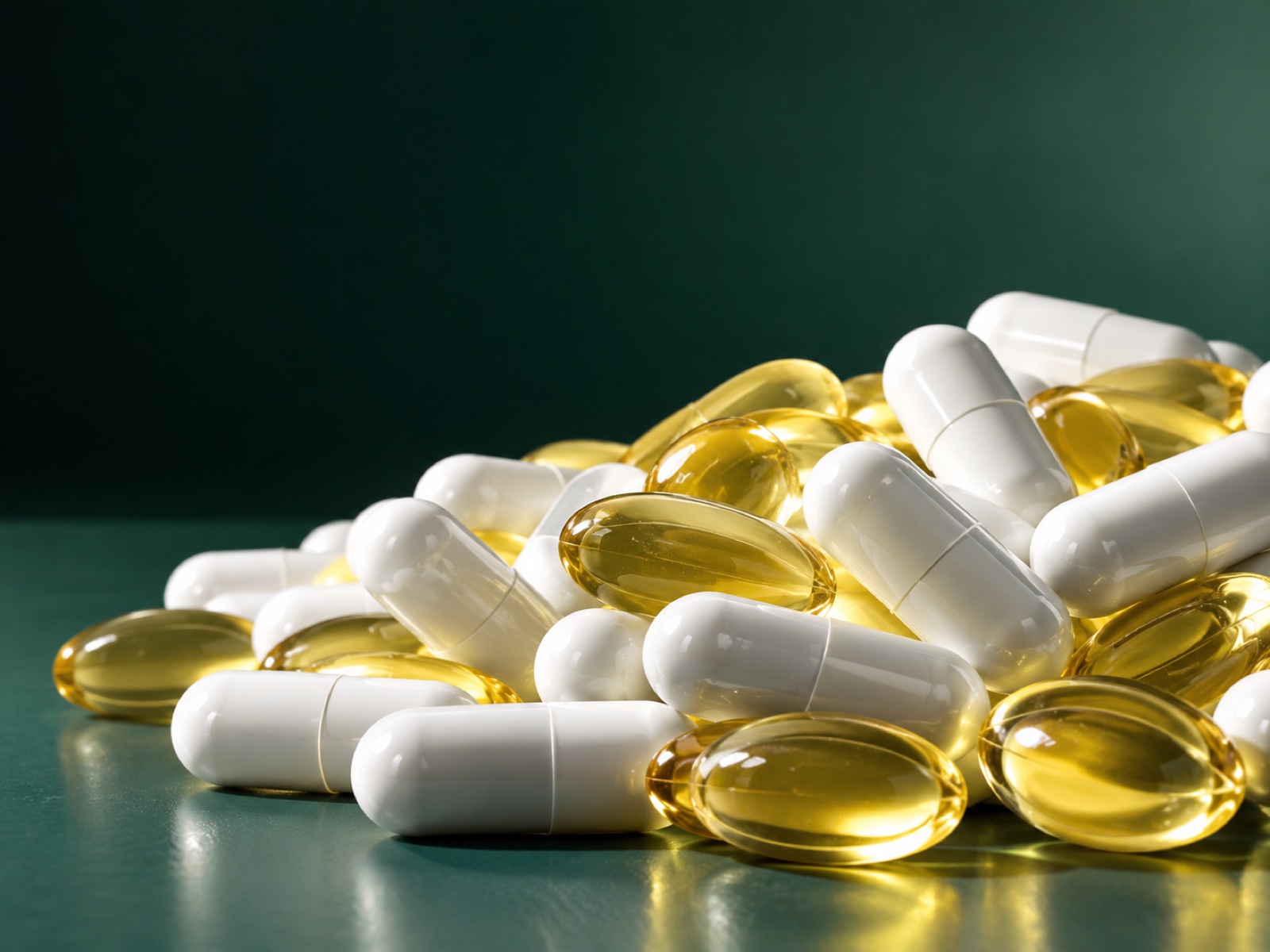
So a 500 mg blend could be mostly one cheap ingredient, with tiny amounts of the other nine. Every one of them still gets its name on the label.
That matters because research usually tests one ingredient at a specific dose, often hundreds of milligrams a day. Ashwagandha root extract studies, for example, commonly use 300 to 600 mg a day. If an ingredient is present at 5 mg, it’s on the label, but it may be far below any amount that has been studied.
Why brands use blends
Blends aren’t automatically a trick. Brands use them for real reasons:
- to protect a formula they spent time and money developing,
- to keep the label simple when there are many minor ingredients,
- to allow small adjustments between batches without reprinting labels.
But the same format can be used to make a product look stronger than it is. That’s why many shoppers now treat a big blend with no amounts as a warning sign.
What consumers can check
- Prefer labels that show the amount of every ingredient.
- Compare key amounts with doses used in research.
- More ingredients doesn’t mean more benefit. A few ingredients at real doses usually beats many at trace levels.
What this means for supplement brands
The market has moved toward full disclosure. More brands now list every ingredient amount and use it as a selling point. If you’re designing a new product, a few things are worth deciding early:
- Start from doses, not ingredient count. Pick the ingredients that matter and put them in at amounts you can explain. It’s easier to defend three ingredients at research doses than twelve at sprinkles.
- Check that it fits the format. Real doses take space. A formula with several 300 mg ingredients may not fit in one or two capsules, which affects serving size, format choice and cost.
- If you use a blend, use it honestly. Keep the key actives outside the blend with their own amounts, and put only minor ingredients inside.
- Your formula is still protected. Listing amounts doesn’t hand over your process, sourcing or how the product is made.

The takeaway
A long ingredient list inside a proprietary blend shows names, not amounts. The label that shows every number is the one that lets customers, and retailers, trust what’s inside.
Sources
- 21 CFR 101.36(c), Nutrition labeling of dietary supplements: proprietary blends.
- Clinical trials of ashwagandha root extract commonly use 300–600 mg/day (see systematic reviews of Withania somnifera supplementation).